The Duskbloods Kin and Summons Guide
Companion NPCs that level up alongside you and decide duels in Phase IV.
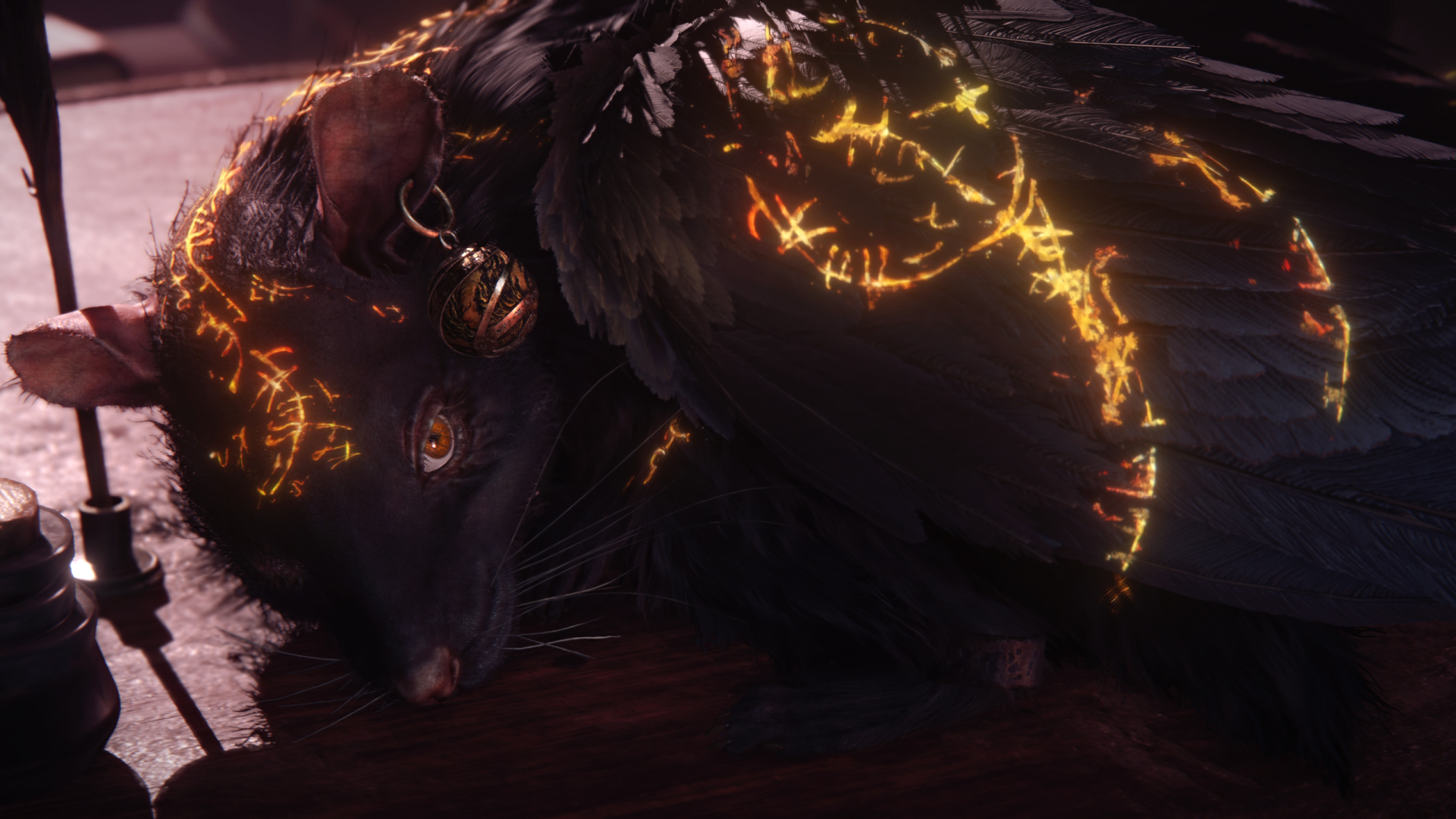
Kin are the summoned NPCs that accompany you through every Dusk Battle. FromSoftware’s preview hands-on sessions in Tokyo during August 2026 surfaced eight Kin in the Network Test build: Baritone, Undead Marlowe, Nia, Sister of the Briar, Thaumaturge Avester, Valentinos the Unwise, Gargoyle, Gunslinger Beatrice, and Black Wolf of Mars. Each Kin fills a specific role in combat, levels up independently as it defeats enemies, and persists into Phase IV where it can swing a Moon Blood Bestowal in your favour.
Kin are not cosmetic. They level up by killing AI and rival players, and the higher-level a Kin grows, the more impact it has in PvP duels. Because Kin level during the match, every choice about which Kin to summon and when carries a real strategic weight. Pair this page with Dusk Battle Phases for the timing angle and Builds for build planning around Kin.
How Kin work
During every Dusk Battle you encounter glowing symbols scattered across the map. Activating a symbol summons the corresponding Kin, who joins you for the rest of the match. You can have one active Kin at a time, and you can recall them to wait until they are needed again; they do not despawn when recalled.
Kin scale with the same experience pool as their summoner. Defeating AI enemies grants experience to both you and your Kin, so a high-traffic Phase I grind also levels up your companion. Kin defeated in combat go on cooldown before they can be summoned again, so reckless engagement will leave you without an ally during the cull window.
A common Network Test mistake was players rotating to a different Kin symbol when they saw an ally they liked better. Switching resets the Kin to level 1, even if it is the same type. The design rule is to commit to your first Kin unless you find a higher-priority option early.
Eight Kin in the Network Test
The press build exposed eight Kin. We do not yet know if this is the full launch lineup or whether more will be added before retail.
Baritone
A singing behemoth who provides stat buffs through his vocals while slamming threats with wrestling moves. Baritone is the most crowd-control focused Kin in the build, excelling at locking down multiple targets during Trespasser co-ops. He also grants a sustained aura buff to nearby Bloodsworn, making him ideal for Phase I grind routes where multiple players share a region.
Undead Marlowe
A zombified gentleman who absorbs damage and persists through fights longer than most Kin. Marlowe’s combat style is uncoordinated but effective; he absorbs hits that would otherwise hit you, then counterattacks with flailing strikes. He is a defensive pick best paired with ranged Bloodsworn like Sniper Layla.
Nia, Sister of the Briar
A nimble dual-sword wielder who slices apart enemies with acrobatic movements. Nia excels at evading damage while building damage stacks; she is one of the highest DPS Kin in the build. Pair her with close-range characters like Zork for a stagger-and-burst rotation, or with Trang Lanh to keep her alive while her invisibility cooldown cycles.
Thaumaturge Avester
A floating mage who scorches enemies from range with magical fireballs. Avester is the most controllable ranged Kin, letting you direct attacks toward flanks where you would otherwise be vulnerable. He pairs well with melee characters who need breathing room to engage.
Valentinos the Unwise
A morbidly obese Kin who rolls around in a wheelchair-like vehicle and attacks with a whip or a bear hug. Valentinos is one of the most formidable Kin to fight against, since he can close distances quickly and deliver punishing grabs. He is also a friendly force multiplier; a single Valentinos in your party dominates small corridors.
Gargoyle
A stationary, snake-wrapped statue that heals its summoner on a steady interval. Gargoyle is the highest defensive value pick in the build. Place him in a strategic spot ahead of a Trespasser fight to sustain through repeated damage cycles. In Phase IV he can be the difference between winning and losing a duel, since he essentially adds a slow regeneration that rivals cannot easily interrupt.
Gunslinger Beatrice
A Wild West-inspired gunslinger who pepper targets from range with pistols. Beatrice is best paired with melee characters who need ranged cover; she cannot duel well but she is excellent at forcing opponents to disengage.
Black Wolf of Mars
A ferocious wolf that relentlessly attacks whatever you target. Black Wolf of Mars is the cleanest damage Kin—he does not need aiming and he does not require babysitting. He is an obvious pick for ranged Bloodsworn like Sniper Layla, who benefit from keeping enemies busy while they land their own shots.
How to summon Kin in a match
Summoning Kin is straightforward:
- Locate a glowing symbol on the ground. Symbols appear in every map region, including inside Ritual Sites during Phases II and III.
- Walk onto the symbol and press the summon button.
- The selected Kin appears next to you and follows for the rest of the match.
- You can replace your Kin by summoning a different symbol, but the previous Kin resets to level 1.
Press coverage noted that some Kin are rare in the map spawn pool. Baritone and Black Wolf of Mars appeared less often than Undead Marlowe or Gargoyle, so smart players rotate toward known spawn regions when they want a specific companion.
Kin vs Phase IV
The Moon Blood Bestowal finale strips away everything except three players and their Kin. Because the arena is closed and there are no AI Trespassers to assist, Kin become the deciding factor in close matches. A level 15 Black Wolf of Mars on your side can pressure a level 8 Kinless opponent into a rollback.
Trade-offs in Phase IV:
- Recalling a Kin leaves you alone if the cooldown ticks down. Phase IV duels rarely give time for a re-summon.
- Switching Kin mid-finale is risky and resets level progress.
- Positioning matters more than ever: arena boundaries, walls, and elevation matter to Kin pathing.
Smart players commit to one Kin during Phase I and carry it all the way to the finale. For Bloodsworn-by-Bloodsworn analysis of which Kin pairs with which fighter, see Bloodsworn roster overview.
Designing your own Kin rotation
Players who want to optimise around Kin should consider three factors before each match:
- Phase I spawn: pick the Bloodsworn that has access to the Kin you want. Sniper Layla works best with Black Wolf of Mars or Beatrice; Zork works best with Nia or Valentinos.
- Region paths: if your early route takes you past a Baritone symbol, summon it before grinding. Avoid backtracking just to find a Kin you saw in another region.
- Cooldown windows: avoid fights where your Kin is on cooldown. If you died against a Trespasser early and your Kin went down, you are vulnerable until they recover.
When the 2026 retail launch arrives, expect FromSoftware to add Kin-specific items, customisation, and possibly a per-Bloodsworn preference list. Until then, treat the Network Test roster as the source of truth.
Frequently asked questions
Can multiple players summon the same Kin?
Each glowing symbol summons a fresh copy, so two players can simultaneously summon Baritone from two different symbols. Kin are independent per player, so summon them without worrying about double-spawn conflicts.
Does a Kin deal more damage at higher levels?
Yes. Kin scale with both physical damage and ability cooldowns based on level. A level 12 Kin acts very differently from a level 1 Kin, which is why commit-to-one-Kin rotations are the meta in the preview build.
Can I recall my Kin during combat?
Yes. Recalling puts your Kin on cooldown for a short window. You can re-summon them after the cooldown ends, but only by visiting another symbol. Use recall when you need to relocate quickly or when your Kin is about to die.
Do Kin help during Phase IV duels?
Absolutely. Phase IV Kin are the highest-impact factor because the duel is so tight. Even a one-level difference can decide who wins.
Related pages
- Bloodsworn roster overview — pair Kin with fighters
- Dusk Battle Phases — when to summon Kin
- Builds — build planning around Kin roles
- Tier List archetypes — archetype-level Kin strategy