The Duskbloods Duskbloods vs Bloodborne
Shared gothic mood and FromSoftware combat literacy—different genre contract, platform, and victory fantasy.
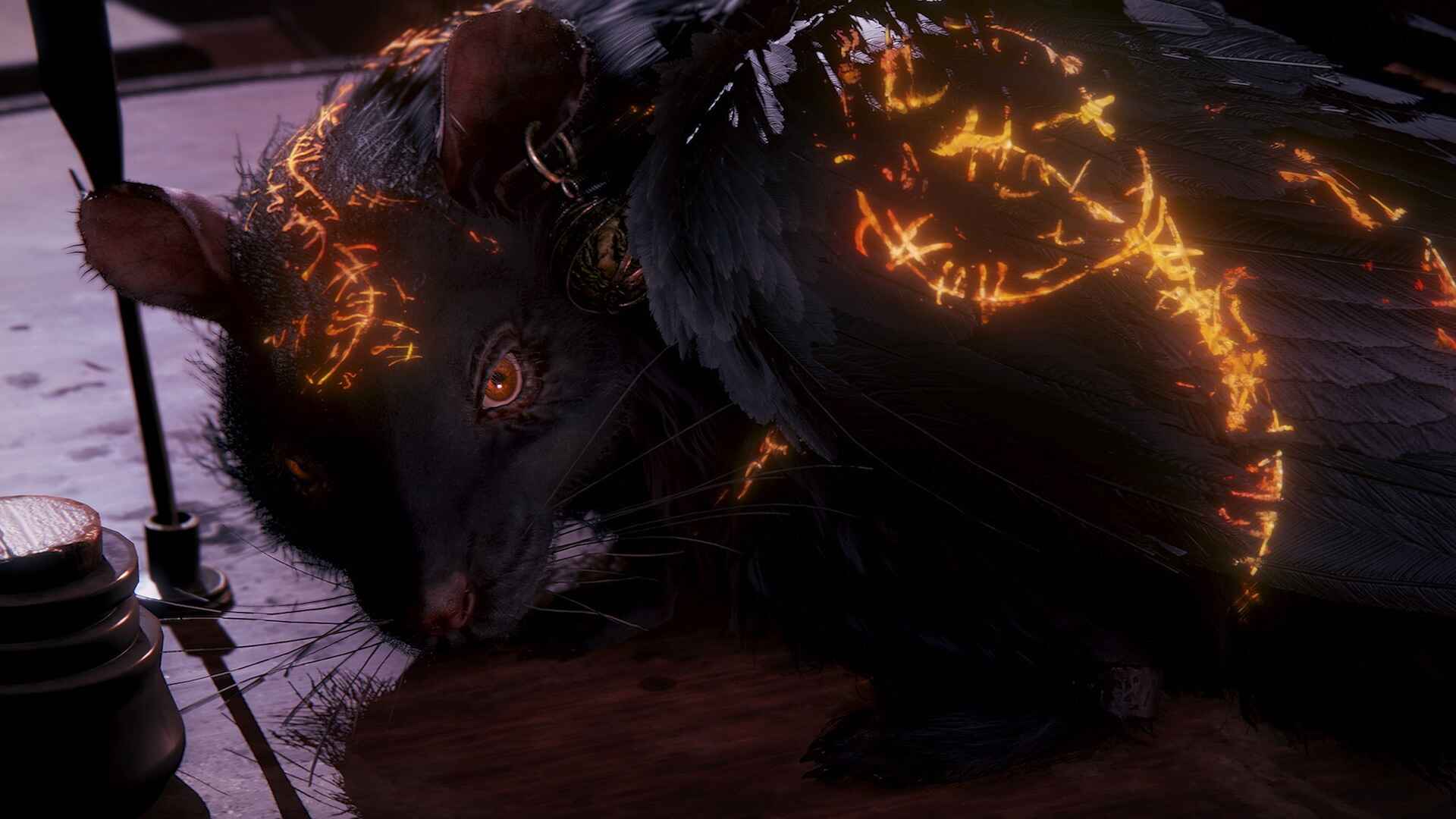
Every major Duskbloods trailer invites the same preview question: Is this Bloodborne 2? The honest answer from Nintendo and Hidetaka Miyazaki is no—The Duskbloods is a new IP built as an online-first PvPvE experience for Nintendo Switch 2, planned for 2026, with a Closed Network Test on August 21–23, 2026. It shares gothic mood, ornate misery, and FromSoftware combat literacy with Bloodborne, but the genre contract differs: eight-player Twilight rituals, Victory Points, First Blood, firearms on Bloodsworn kits, multi-era maps, and hub-driven roles—not Yharnam’s single-player cosmic horror loop. This preview comparison avoids review scores and unverified performance claims until retail or representative builds exist.
Why the comparison keeps resurfacing
Bloodborne (2015) locked players into a single gothic city with aggressive melee cadence, trick weapons, and cosmic horror beneath Victorian streets. Duskbloods marketing leans into cathedral stonework, gaslit alleys, blood ritual language, and aggressive silhouettes—visual rhymes that trigger muscle memory for PlayStation fans. Switch 2 reveal coverage amplified the parallel because FromSoftware rarely returns to overt Victorian gothic at this budget scale.
Similarity is aesthetic and studio craft, not franchise continuity. Miyazaki markets Bloodsworn as romantic, vampire-adjacent warriors without grotesque monster transformation—the tone is elegiac duelists in twilight, not hunters unraveling eldritch truth in a fixed city. If you expect narrative sequel beats, hunt insight, or Chalice Dungeon structure, adjust expectations before applying for the CNT via Network Test.
New IP versus spiritual successor labels
Community shorthand calls Duskbloods a “spiritual successor” because both games wear gothic lace. Official materials do not position it that way. Key IP facts to keep straight:
- Separate setting — Twilight of Humanity with moontears ritual framing, not Yharnam or the Healing Church.
- Separate platform story — Switch 2 exclusive, born from a pivot when improved online features preserved an eight-player vision.
- Separate match structure — Hub → Dusk Battle → rewards win or lose → hub, scoring through Victory Points and alternate boss paths.
- Separate character fantasy — Bloodsworn with blood history and fate, not fixed hunters with Insight economies.
Treat Bloodborne as a reference point for mood, not a blueprint for mechanics. Deep preview context lives on the Review hub; interview primary sources on Creator’s Voice.
Gothic mood overlap—and deliberate breaks
Both titles exploit verticality, narrow alleys, and statue-dense plazas. Duskbloods trailers add early-modern rail yards and industrial smoke alongside cathedrals—multi-era summoning explained in interviews—where Bloodborne stayed within a cohesive plague city.
Mood breaks matter for players who loved Bloodborne’s oppressive loneliness. Duskbloods is eight-player social conflict with Destined Rivals and Destined Companion objectives layered on public VP races. The gothic set dressing remains, but the emotional payload is betrayal, timing, and opportunistic scoring, not solitary exploration dread. For Nightreign-style comparisons inside FromSoftware’s multiplayer experiments, read Duskbloods vs Nightreign.
Combat cadence: firearms, movement, and summons
Bloodborne’s identity is aggressive melee with guns as interrupt tools. Duskbloods pitches unique weapon kits per Bloodsworn, firearms as primary identity for many fighters, sprint / super jump / double jump, and a summoned entity on every character—closer to hybrid action than pure rally-and-riposte Souls combat.
That changes map behaviour. Bloodborne players learned spacing in narrow Yharnam lanes; Duskbloods expects rotation between gothic interiors and open train platforms with PvEvE waves and dynamic events pulling lobbies mid-fight. Movement notes: Movement and combat. Entity layer: Summons. Roster framing: Bloodsworn hub.
PvPvE structure Bloodborne never attempted
Bloodborne offers asynchronous invasion and co-op in a PvE-first campaign. Duskbloods centres PvPvE—players and environment as simultaneous threats—with up to eight Bloodsworn in a match. First Blood ritual language sits above individual kills; Victory Points reward opportunistic paths Miyazaki highlighted in Creator’s Voice.
Bloodborne veterans who dislike PvP may feel hostile here. Veterans who wanted FromSoftware to ship readable eight-player tension with boss-adjacent alternate wins may find the pitch closer to their wish list than another single-player gothic epic. Scoring detail: Gameplay hub and First Blood.
Switch 2 exclusivity versus PlayStation history
Bloodborne is a PlayStation exclusive tied to DualShock/DualSense habits and PSN infrastructure. Duskbloods requires Nintendo Switch Online and a linked Nintendo Account on Switch 2 only—no announced PC or PlayStation path. Miyazaki described original Switch development that moved to Switch 2 specifically to protect online ambition.
Performance comparisons to Bloodborne on PS4/PS5 are premature. This wiki will not publish frame-rate tables until reproducible CNT footage or independent analysis exists. Platform context belongs in preview hubs, not fabricated benchmarks.
Multi-era maps versus single-city exploration
Bloodborne rewards interconnected district knowledge accumulated over dozens of hours. Duskbloods arenas appear as thematic slices—gothic/Victorian quarters, early-modern transit—summoned into one Twilight conflict rather than one continuous open city. Learn tactical themes on Maps hub, Gothic and Victorian, and Early-modern train pages before expecting Bloodborne-style shortcut discovery.
Who should adjust expectations
Expect Bloodborne-like feel if you want
- Solo or small-co-op gothic horror exploration
- Primarily melee combat with guns as side tools
- One persistent city to memorise over a 40-hour campaign
- PlayStation platform conventions
Expect Duskbloods if you want
- Switch 2 exclusivity with Nintendo online integration
- Eight-player PvPvE scoring and social roles
- Hybrid gun-and-blade kits with traversal tech
- Multi-era arenas and hub customisation between matches
Many players will enjoy both for different moods; the mistake is treating Duskbloods as Bloodborne 2 with matchmaking.
Open preview questions
- Whether gothic tone survives chaotic eight-player fights
- Netcode feel with firearms, summons, and PvE simultaneously
- Long-term narrative depth compared with Bloodborne’s environmental storytelling
- How CNT NDAs limit public tier discourse after August sessions
Update this page from verified hands-on notes—not rivalry memes. Related: Roster overview for character count framing, News hub for dated beats.
Related reading
- Review hub — preview caveats and Nightreign comparisons
- Creator’s Voice — Miyazaki on new IP and PvPvE intent
- Bloodsworn hub — who you play as in Twilight
- Maps hub — gothic and train themes
- Duskbloods vs Nightreign — another FromSoftware multiplayer comparison
Frequently Asked Questions
Quick answers drawn from official Network Test and Creator’s Voice details.
Is The Duskbloods Bloodborne 2?
No. Nintendo and Miyazaki market it as a **new IP** on Switch 2 with PvPvE structure, not a Bloodborne sequel or direct continuation of Yharnam.
Why do trailers feel like Bloodborne?
Both lean on **gothic and Victorian** art direction and FromSoftware combat readability. Duskbloods adds multi-era maps, firearms-forward kits, and eight-player scoring.
Will Bloodborne players enjoy the combat?
Maybe—but expect **hybrid weapons, traversal tech, summons, and PvP scoring** rather than rally-centric melee exploration. Try the CNT before assuming familiarity.
Is Duskbloods exclusive to Switch 2?
Yes per current official messaging. Bloodborne's PlayStation exclusivity does not predict ports here—treat Switch 2 as the intended platform.
Where should I read about Bloodsworn instead of hunters?
Start with the [Bloodsworn hub](/bloodsworn/) and [roster overview](/bloodsworn/roster-overview/) for Creator's Voice roster framing without invented character names.