The Duskbloods Firearms and Ranged Combat
How gunplay and ranged pressure reshape eight-player PvPvE fights in the Twilight of Humanity.
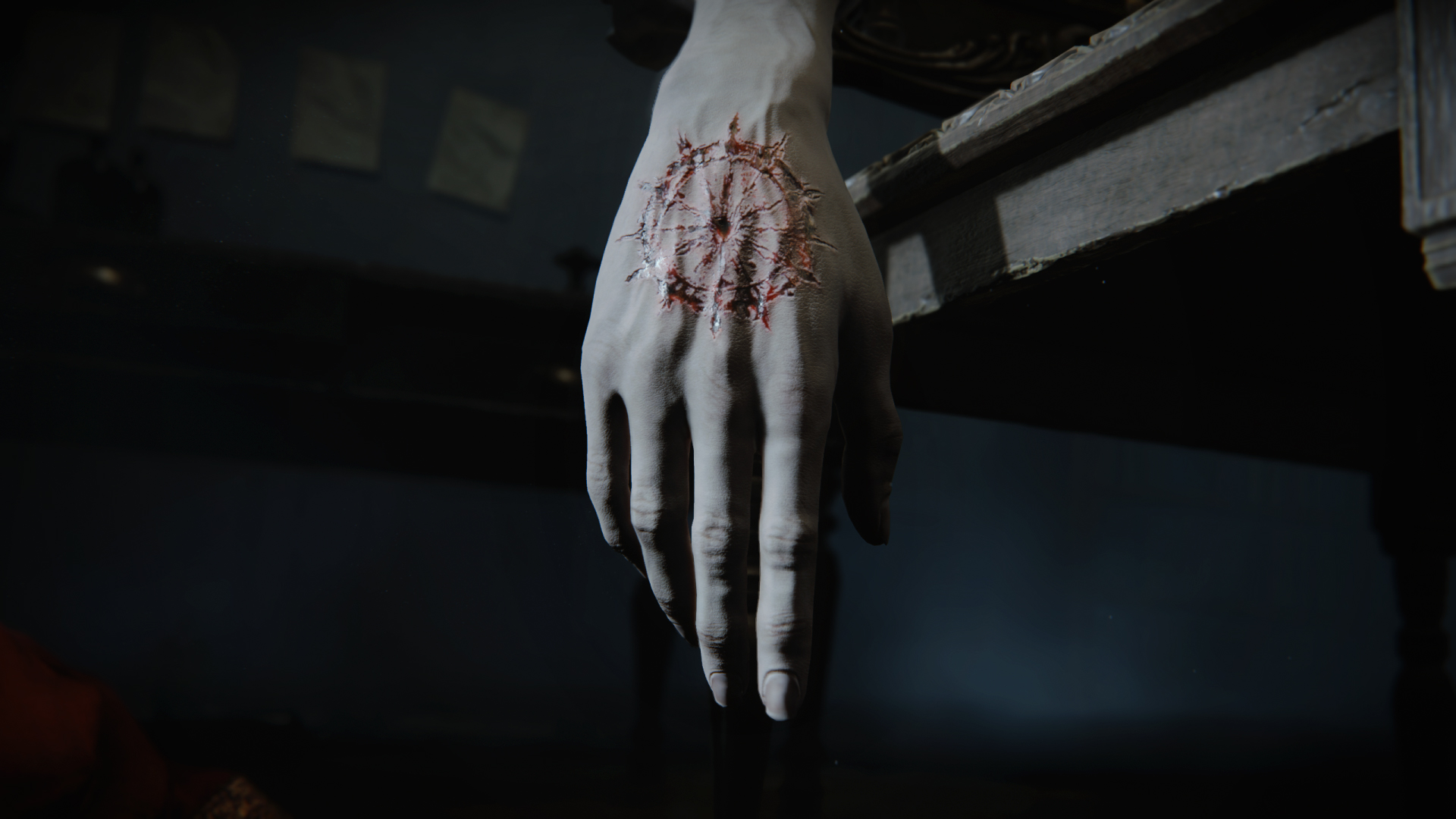
Nintendo’s Creator’s Voice interviews with Hidetaka Miyazaki include a line that changes how veteran FromSoftware fans should read The Duskbloods: every Bloodsworn has some form of ranged attack, and the setting allows firearms. That is not a cosmetic trailer flourish—it is a structural commitment for an online-first PvPvE game where up to eight warriors share gothic, Victorian, and early-modern spaces. This page explains what official materials establish about firearms and ranged combat before the 2026 Nintendo Switch 2 launch, how ranged tools interact with Victory Points, maps, and summons, and why the wiki deliberately avoids invented TTK, DPS, or damage tables the Closed Network Test has not published.
Every Bloodsworn carries ranged pressure
Classic FromSoftware single-player titles centre on melee spacing, dodge timing, and readable enemy telegraphs. The Duskbloods keeps deliberate combat readability but adds a universal ranged layer: no Bloodsworn is purely a swords-only specialist in the Creator’s Voice framing. Reveal footage shows warriors with clearly different firearm silhouettes—some favour blades with sidearms, others lead with rifles or hybrid gun-and-blade kits—but all can threaten at distance.
That universality matters in eight-player lobbies. You cannot assume a rival will close to melee range before engaging. Third parties can punish healing channels, event captures, and Destined Companion rendezvous from rooftops or train platforms. Ranged attacks become the common language of threat even when your primary fantasy is melee-forward.
Setting logic: why firearms fit the Twilight
The fiction anchors combat in the Twilight of Humanity—a romantic, end-of-era tone Miyazaki compares to vampire-adjacent Bloodsworn without grotesque horror monsters. Art direction blends gothic architecture, Victorian streetscapes, and early-modern industrial set pieces, including recurring train sequences. Firearms belong to that historical palette in a way they never did in medieval-fantasy Souls settings.
Maps therefore mix long sightlines on open rail yards with tight choke points in cathedral quarters. Ranged tools control lanes; melee and movement tech—sprint, super jump, double jump—close gaps or escape after a burst. Neither layer replaces the other. A player who only shoots from safety may bleed Victory Points when dynamic events demand rotation; a player who only rushes may donate frags to someone holding high ground with a firearm glimpsed in trailers.
Departure from FromSoft’s melee-forward history
Miyazaki acknowledges the pivot explicitly: The Duskbloods is built for multiplayer chaos and opportunistic scoring, not for the solo duel cadence of locked-on sword exchanges. Firearms extend space control—the ability to deny an approach, interrupt a channel, or force a super jump reposition—across a roster of more than twelve unique Bloodsworn on the Bloodsworn hub.
This does not mean gunplay replaces entity summons. Every character still summons an entity to assist, creating a second action layer documented on Summons. Creative combat, in Miyazaki’s phrasing, means combining movement, weapons, summons, and scoring routes rather than memorising one optimal rotation. Ranged attacks are one ingredient in that recipe, not a separate game mode.
Ranged combat inside PvPvE and Victory Points
PvPvE means you spend ranged ammo and cooldowns on environmental threats as well as rivals. A mid-match event—examples include the giant stone face—can pull attention while PvE adds spawn on a flank. Firearms that clear adds quickly may convert into Victory Points through opportunistic play even when your kill count looks modest. Miyazaki stresses that VP can reward avoiding direct combat when map objectives pay better than a doomed duel.
Practical ranged habits before numbers exist:
- Budget shots for VP windows — empty a magazine on a fair fight, then miss the event channel that paid more.
- Treat reloads as social tells — seven other humans can read when you are vulnerable; pair reload timing with summon cover or vertical escape.
- Third-party with discipline — ranged excels at finishing wounded duelists, but overcommitting draws Destined Rival hunts and LMS collapse pressure.
- Document, do not invent — screenshot VP panels during the Closed Network Test; never publish fake TTK charts.
Maps, verticality, and sightlines
Maps vocabulary from trailers includes gothic rooftops, Victorian alleys, and mobile train high ground. Double jump and super jump interact directly with gunplay: you can peek from elevation, drop shots onto sprinting targets below, or disengage when a lane becomes too hot. Handheld Switch 2 play may shrink effective sightlines in cluttered interiors—factor that into Controls prep, not into speculative weapon stats.
Learn structural callouts before callouts exist: where trains create moving cover, where open platforms favour mid-range exchanges, where stone-face events likely centralise traffic. Ranged builds that ignore map literacy will feel strong in isolation and lose lobbies when events rotate the fight elsewhere.
Summons plus firearms: zoning without fake combos
Summons and firearms solve different problems. A summoned entity can hold a lane while you reload, mark a rival during a chase, or clear PvE adds during an event spike. Firearms punish predictable landing arcs after a super jump or force someone out of a companion rendezvous. Sequencing both is free creative combat in practice—without claiming frame-perfect combo strings the preview build has not shown.
Example flow from design intent only: sprint toward an event telegraph → summon to zone the approach → rifle burst on arriving players → double jump out before third parties collapse. Fail the sequence and you may donate VP to a player who timed entity plus gunfire better.
Builds, hub customisation, and iteration
Most ranged identity is set between matches in the hub through blood history and fate. Rewards return win or lose, so you can test firearm-heavy builds without treating each Dusk Battle as all-or-nothing. Read Hub customisation and Early build ideas for frameworks—duelist, event rotator, role specialist—that respect VP routes alongside raw aim.
Until the Network Test publishes reproducible metrics, avoid ranking Bloodsworn by invented DPS. Describe roles: mid-range controller, breach specialist, hybrid gun-and-blade fighter, event sniper who rotates on telegraphs.
Preparing for the Closed Network Test
The Duskbloods remains upcoming for Switch 2 in 2026. Apply through Network Test documentation, confirm Nintendo Switch Online, and study Movement and combat alongside this page. When CNT coverage lands, Review outlets will stress whether firearms stay readable in eight-player chaos—update this wiki with firsthand notes, not speculation.
Related pages
- Movement and combat — sprint, jumps, and weapon philosophy
- Summons — entity assists on every Bloodsworn
- Victory Points — scoring routes beyond raw frags
- Maps — layout literacy for sightlines
- Builds hub — hub iteration and prep frameworks
Frequently Asked Questions
Quick answers drawn from official Network Test and Creator’s Voice details.
Does every Bloodsworn have a ranged attack?
Yes per **Creator's Voice**. Miyazaki states every Bloodsworn carries **some form of ranged attack**, and the setting supports **firearms** alongside melee kits.
Are firearms the same on every character?
No. Reveal footage shows **distinct weapon identities** per Bloodsworn—different firearms, hybrids, and handling—not one shared assault rifle for the roster.
How do firearms interact with Victory Points?
VP rewards **opportunistic play** and map objectives, not only kills. Ranged tools help control events and third-party windows—exact weights await CNT confirmation.
Does The Duskbloods publish TTK or damage stats?
Not publicly pre-launch. This wiki avoids **invented TTK and DPS numbers** until Network Test data is reproducible.
Is gunplay final before the 2026 release?
The game is **upcoming**. Treat firearms notes as pre-release design intent subject to CNT balance changes.