The Duskbloods Hub Customisation
Choose your Bloodsworn, refine fate, fight, return—win or lose—and iterate your build.
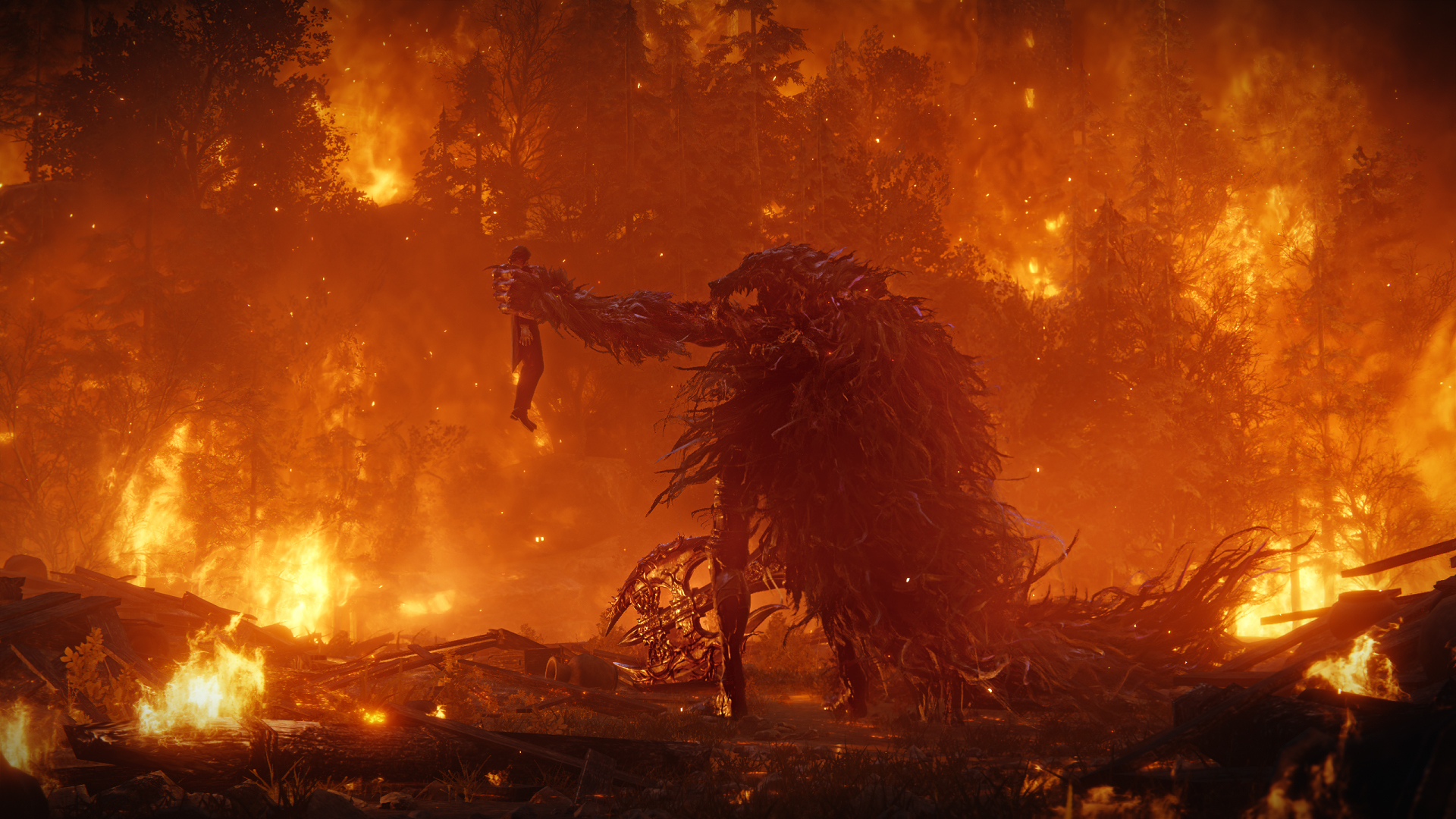
The hub is the operational heart of The Duskbloods. Official descriptions outline a repeatable loop: choose or customise your Bloodsworn, enter online multiplayer supporting up to eight players, then return for rewards whether you win or lose. That loop makes hub customisation the first and most frequent build decision you will make—more important than speculative endgame gear because the game remains upcoming and systems may shift during the Closed Network Test ahead of the 2026 Switch 2 release.
Hub loop step by step
- Select a Bloodsworn from the roster of more than twelve fighters, each with distinct weapons—including firearms—and techniques plus an entity summon.
- Adjust blood history and fate to shape appearance, abilities, characteristics, and potential roles.
- Queue into a Dusk Battle on a gothic, Victorian, or early-modern inspired map.
- Extract to the hub with rewards that fund further customisation or unlocks.
- Iterate—tweak fate, switch characters, or commit to a role identity for the next session.
This rhythm mirrors live-service progression without confirming specific currencies or battle passes. Document what you earn per match once CNT starts and publish updates via Guides.
Blood history in the hub
Blood history selections anchor fantasy identity: where your special blood arose, how Miyazaki’s romantic vampire-adjacent tone expresses on your character, and which tags the game uses for pairing rivals or companions. History likely locks or semi-locks elements compared to fate, signalling long-term identity.
When customising, ask whether a history choice is cosmetic-only or alters abilities. Screenshot every node during Network Test; update Blood history and fate with confirmed behaviour only.
Fate edits between matches
Fate is the flexible layer—appearance tweaks, ability modifiers, characteristics, and role alignment. Because rewards arrive even on losses, fate experimentation is low-stakes relative to ranked-only games. Try a fate path that boosts event mobility for dynamic encounters, then revert if duel power feels weak.
Respec costs, if any, are unknown publicly. Budget time during CNT to test whether the hub allows free respecs during the test weekend—Nintendo sometimes relaxes economies for diagnostics.
Roles as build commitments
Opting into Destined Rival or Destined Companion paths in the hub sets social objectives that your combat build must support. Rival builds favour tracking, sustained burst, and Controls tech for chases. Companion builds favour sustain, defensive summons, and pathing knowledge to reach allies alive.
Roles do not exempt you from Victory Points or First Blood pressure—they add parallel reward channels. A companion specialist who ignores VP may still place poorly even after a successful rendezvous.
Character switching versus deep mastery
The hub encourages switching among Bloodsworn or maining one. Generalists learn map timings and event telegraphs transferable across kits. Specialists push one summon interaction to its limit—valuable for future Tier List discourse once metrics exist.
For Network Test weekends with limited hours, pick two characters: one firearm-focused for open lanes, one melee/summon for tight gothic spaces seen in trailers.
Rewards win or lose: build psychology
Because hub payouts continue after losses, use bad matches to answer build questions without tilt-quitting. Did you lose because fate lowered sustain, because you skipped an event, or because a Destined Rival third-partied you? Each answer implies a hub change, not only git gud.
Track rewards per hour in a simple notebook—no need for fake optimisations. Share honest curves with the community after Network Test sessions.
Online requirements and prep
Hub queueing requires Nintendo Switch Online and a linked Nintendo Account per store listings. Verify membership before August test windows. Preload when instructed so hub time is not wasted on downloads.
Connecting hub choices to gameplay pages
- Builds hub — philosophy overview
- Early build ideas — CNT templates
- Gameplay hub — what your build must survive
- Bloodsworn hub — roster details
After hands-on coverage
Review outlets will comment on hub UX friction—menu depth, readability, how fast you return to queue. Combine their UX notes with your reward logs to recommend beginner-friendly hub paths that still respect PvPvE scoring.
Never present hub customisation as solved while the game is pre-release. Treat every CNT patch note as a reason to re-verify fate nodes before advising irreversible investments.
Frequently Asked Questions
Quick answers drawn from official Network Test and Creator’s Voice details.
What do you do in The Duskbloods hub?
Choose or customise a Bloodsworn, adjust **blood history** and **fate**, queue into online matches, then return for **rewards win or lose**.
Can I change my build after every match?
Official materials imply frequent hub iteration; exact respec limits or costs are unconfirmed until the Network Test.
Does hub customisation affect matchmaking?
Unknown publicly. Role systems suggest some pairing logic—observe during CNT rather than assuming.
Are hub rewards only for winners?
No. Official copy states rewards continue **whether you win or lose**, supporting build experimentation.
Where do roles fit in hub customisation?
Fate and characteristics tie into [Destined Rivals and Companions](/bloodsworn/roles/). Set them before queueing if you want those objectives.