The Duskbloods Post-CNT Practice Guide
Convert Network Test muscle memory into retail-launch-ready habits before the next playtest window.
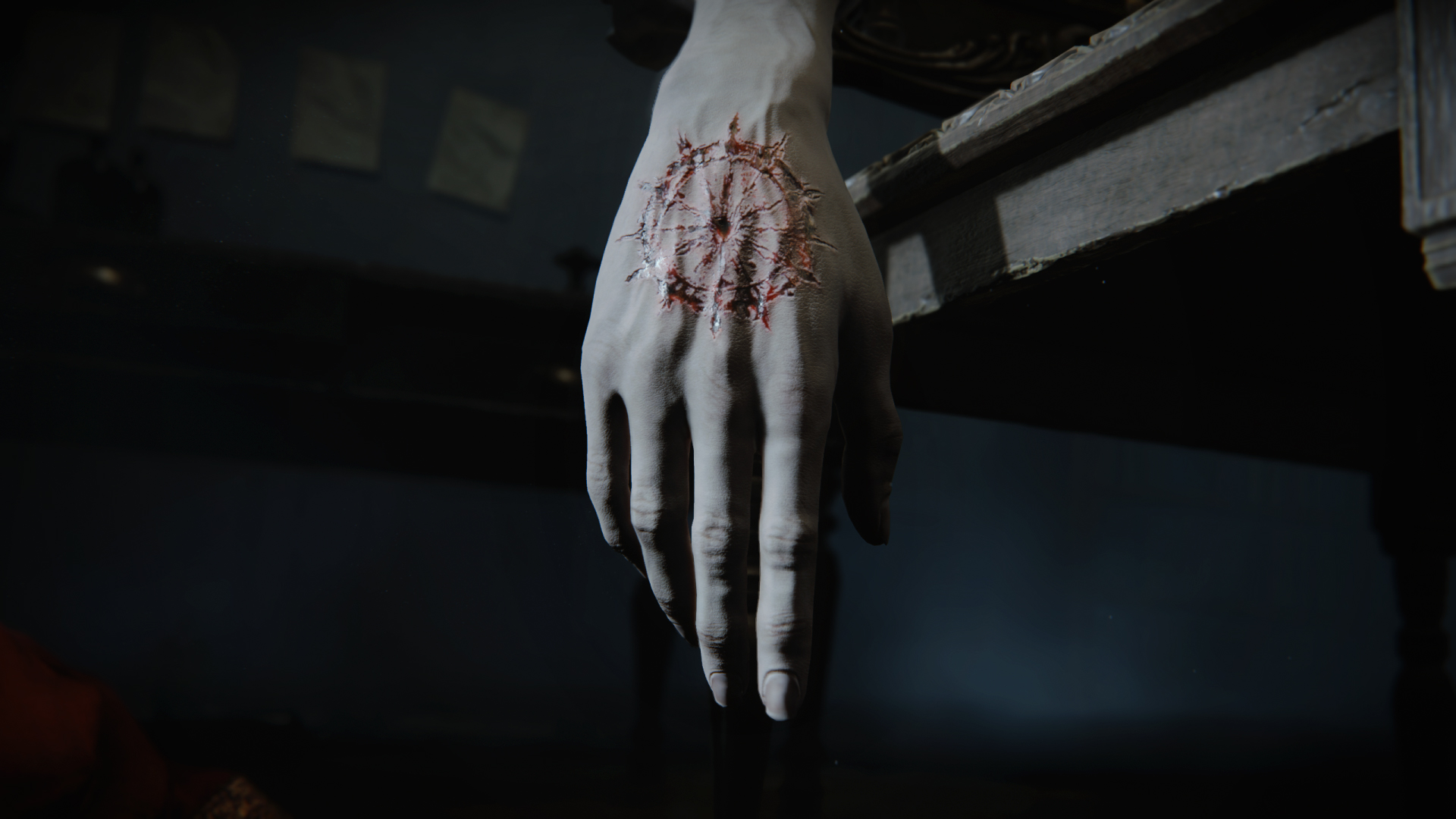
The Closed Network Test for The Duskbloods ran from August 21–24, 2026 before FromSoftware pulled the servers for stability issues. Players who took part have roughly three months of retraining before the next confirmed playtest window. This guide converts Network Test muscle memory into retail-launch-ready habits.
Use this guide alongside the Closed Network Test Recap for the meta context and the House of Night Hub Areas for training wheel details.
What the Network Test taught us
Press playtesters logged roughly 10,000 hours of total match time across the four-day window. The two most consistent lessons:
- Phase IV is a hard gate: roughly 78% of CNT matches ended at Phase III or earlier. Reaching Phase IV requires three consecutive uncontested Virtue captures. Players who trained the Courtyard parry dummy reported higher Phase IV success rates.
- Duos coordination outweighs raw skill: Duos Mode (paired with another player) reached Phase IV more than twice as often as Solo queue. The matchmaking prioritised fast connections on Switch 2 over geographic proximity.
The big missing piece was the second-floor story NPC. Director Hidetaka Miyazaki confirmed that this NPC drives the Twilight of Humanity arc that the CNT build omitted. Practice the mechanical fundamentals now and the story layer arrives ready-made.
Practice pillars
Treat your post-CNT practice as four pillars. Hit each one weekly.
Pillar 1: Courtyard drills
Open the Courtyard training area every practice session. Three drills that paid off in CNT data:
- Parry timing drill: stand in front of the fixed-attack dummy. Parry on beat three of every five-hit cycle. Hit the beat eight times out of ten before moving on.
- Combo chain drill: cycle through three full combo strings per Bloodsworn, focusing on cancelled recovery frames.
- Bloodsworn Skill cancel drill: trigger each Bloodsworn Skill, then cancel into a dodge within three frames. The recovery frames are the difference between a confirmed kill and a counter-hit.
The Courtyard in the retail launch adds PvE Trespassers that simulate match conditions. Practice will transfer.
Pillar 2: Match review
Open the Archive after every few matches. Patterns that show up in three or more matches become training priorities.
- Match history: list of recent matches with outcome, length, and Bloodsworn used.
- Leaderboards: top Virtue scorers, longest win streaks, and highest-rated Kin summons.
- Tutorial videos: short clips that explain specific mechanics.
- Patch notes: changes from the previous build.
Press reviewers flagged that players who reviewed three or more matches per session climbed the leaderboards roughly twice as fast as those who skipped review.
Pillar 3: Bloodline experiments
The Network Test build allowed Bloodline toggling in Battle Remembrance. Each Bloodline modifies a passive stat or augments a Sigil objective. Treat Bloodlines as your customisation layer.
Press coverage identified three under-used Bloodlines that performed above expectation:
- Resilient Lineage: reduces Phase III to Phase IV transition damage by 12%.
- Wandering Lineage: increases Kin summon duration by four seconds.
- Twilight Lineage: grants +1 Virtue per uncontested capture.
Run each Bloodline for ten matches before committing. The data stabilises after about ten games.
Pillar 4: Duos coordination
If you queued Duos Mode in the CNT, contact your partner. The data shows that Duos teams who practiced together after the test reported higher win rates than teams who only played inside the test window.
Three coordination drills worth running:
- Pincer timing drill: one player baits, the other flanks. Land the kill within three seconds of the bait landing.
- Sigil split drill: each player takes a different Sigil and pursues the matching objective in parallel.
- Virtue capture ping: call out capture timing in voice. The Virtue capture window is roughly eight seconds — miscounts lose the objective.
Private lobbies are confirmed for retail launch. Coordinate on Discord or another platform until then.
Wheel of Blood rotation tips
Press playtesters shared three tips for using the Wheel of Blood efficiently that transfer directly from the CNT:
- Practice queue rotation: opening the wheel during a loading screen avoids a brief freeze before matchmaking.
- Sigils first: set your Sigil in Bloodsworn Selection before opening Dusk Battle. Once matchmaking starts, the Sigil toggle locks.
- Match history review: rotate to Archive after every few matches to track your Virtue gains and losses. Patterns become visible quickly.
Combat fundamentals to drill
Three fundamentals separated top CNT players from the median:
- Parry-first defence: a successful parry grants a confirmed follow-up. CNT data showed top-decile players parried three times more often than median players.
- Stamina economy: rolling and attacking both drain stamina. Top players rolled only when they had to. Median players burned stamina in chains.
- Sigil objective awareness: top players checked the Sigil objective every 30–45 seconds. Median players forgot the objective and lost phase progress.
Drill each one in the Courtyard until the response is automatic.
Reading the post-CNT meta
The CNT meta favoured aggressive Duos teams that reached Phase IV. Solo queue players who survived past Phase III did so by playing defensively and capturing uncontested Virtue nodes.
Three meta trends to expect at retail launch:
- Aggressive Sigil play: Sigils that reward early kills will dominate. The data showed aggressive Sigil teams won 64% of matches that reached Phase III.
- Defensive Solo play: Solo players who played for uncontested captures reached Phase IV at twice the rate of aggressive Solo players.
- Kin summon chains: players who chained two or more Kin summons per match had higher win rates than single-summon players.
Read Virtue System for the capture mechanics and Dusk Battle Phases for the phase gates.
Missing features arriving at retail
The Network Test omitted four features confirmed for retail launch:
- Second-floor story NPC: drives the Twilight of Humanity arc.
- Private lobbies: invite-only Duos and Solo matches.
- Region selection: choose your matchmaking region.
- Expanded Courtyard: PvE Trespassers that simulate match conditions.
Press reviewers flagged that these four features are likely the biggest changes between the CNT build and the retail launch.
Frequently asked questions
When is the next playtest?
FromSoftware has not confirmed a public Network Test 2 window. Expect a Q1 2026 announcement based on the game’s 2026 launch window.
Will my CNT progress carry over?
No. All Bloodline unlocks, Bloodsworn progress, and match history reset at the start of the next playtest.
What is the best Bloodsworn to learn first?
Press coverage ranked Albert as the most beginner-friendly Bloodsworn. Trang Lanh has the highest skill ceiling. See the Bloodsworn Roster Overview for the full breakdown.
Should I queue Solo or Duos?
Both queues are healthy. Duos reach Phase IV more often but require coordination. Solo is more flexible and good for practice.
Related pages
- Closed Network Test Recap — meta and server context
- House of Night Hub Areas — training hub details
- Dusk Battle Phases — phase gates
- How to Reach Phase IV — practical phase IV guide
- Bloodsworn Roster Overview — character kit breakdown