The Duskbloods Summoned Entities
A second combat layer every Bloodsworn brings into eight-player Dusk Battles.
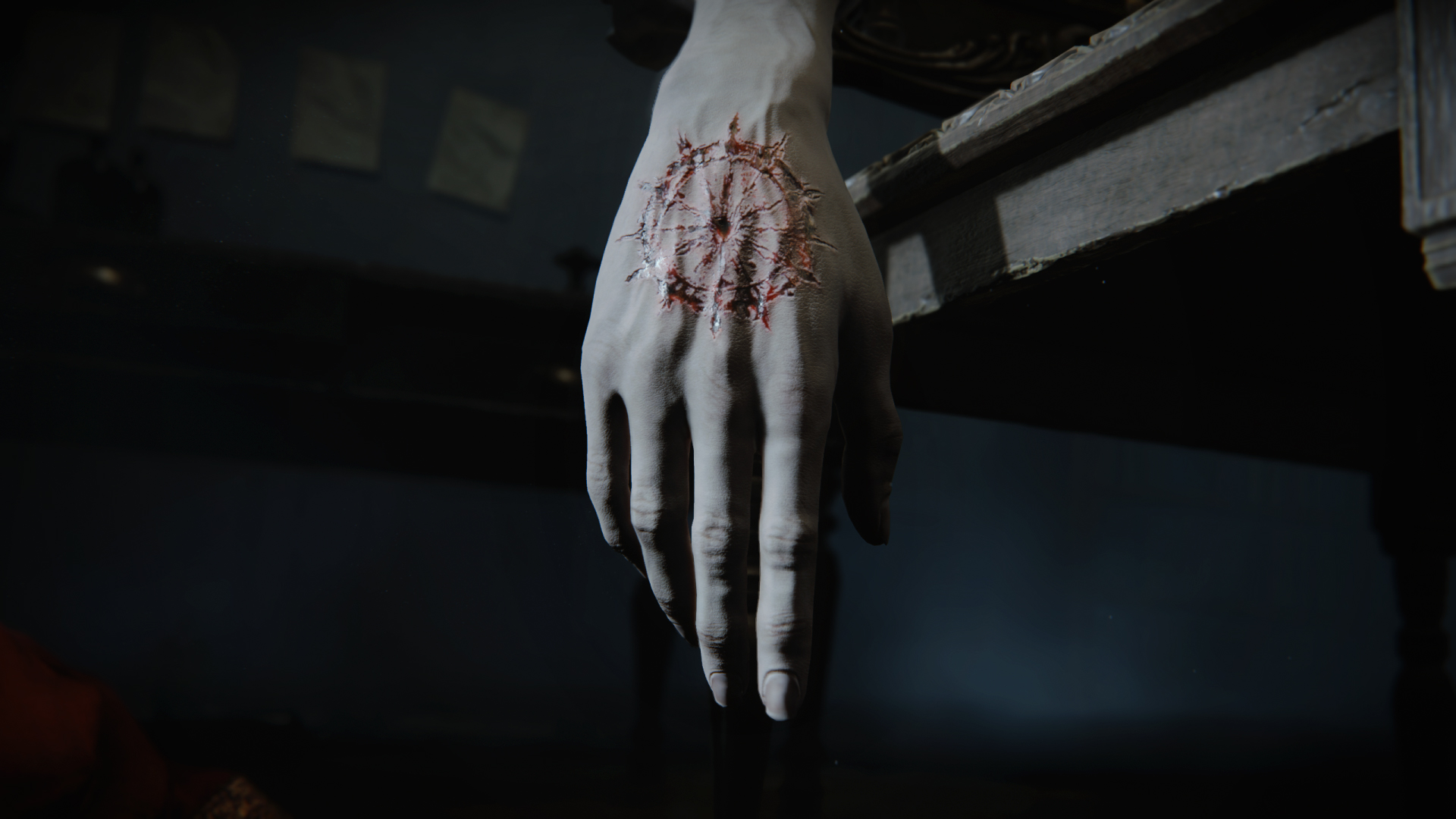
One of the clearest mechanical promises in The Duskbloods is universal: each Bloodsworn can summon an entity to assist during combat. Creator’s Voice segments and Nintendo marketing repeat the line alongside roster shots of more than twelve unique warriors—each with their own weapons, including firearms, and their own summoned ally. Summons are not a premium unlock or a single shared pet; they are a class-defining second action that sits beside movement and combat tools like sprint, super jump, and double jump. This guide explains what official materials establish about summons before the 2026 Switch 2 launch, without fabricating cooldown numbers or entity rosters the public build has not shown.
What an entity summon is
An entity is a combat assistant tied to your Bloodsworn identity—summoned on demand to pressure opponents, clear PvE threats, or reshape space during a Dusk Battle. Miyazaki’s framing treats summons as part of free creative combat: you decide when to call aid rather than following a scripted combo chain. Reveal footage shows entities appearing mid-fight while gunfire and melee continue, implying summons participate in the same PvPvE space as players and dynamic events.
Entities likely differ per character. A rifle-focused Bloodsworn might summon something that marks targets or suppresses lanes; a melee fighter might call a bruiser that staggers rivals during a Destined Rival hunt. Until the Closed Network Test confirms kits, describe roles—zone control, burst assist, add clear—not invented DPS tiers on Tier List.
Summons in the eight-player loop
Online matches support up to eight Bloodsworn. Eight personal summons—however staggered—raise the chaos floor: third-party fights become four-way exchanges when entities clash. Victory Points may reward efficient add clear during event windows; a well-timed summon that finishes PvE adds before you rotate to the giant stone face could outperform a raw duelist who ignored the map.
Summons also interact with last-player-standing endings. Burning your entity mid-map for style leaves you vulnerable when moontears imagery and First Blood pressure converge in the final seconds. Treat summons like ultimate abilities in other multiplayer titles: high impact, limited windows, match-defining when saved.
Hub identity and customisation
Before queueing, you shape your warrior through blood history and fate in the hub, then return after each match for rewards win or lose. Fate choices may alter how your entity looks or behaves even if the base summon button is shared across the roster—similar to how characteristics modulate weapons without replacing them entirely.
Hub customisation should note whether your build supports summon-dependent routes: companion meetups during prolonged PvE, rival assassinations after a super jump flank, or boss phases where everyone temporarily cooperates before betrayal. Builds that ignore summons may still win via VP, but they forfeit a tool Miyazaki highlighted as core.
Summons versus weapons and movement
Primary weapons—including firearms—handle sustained damage and space denial. Movement tech positions you for shots and escapes. Summons bridge gaps: they can hold a lane while you reload, chase a sprinting rival across Maps blending gothic streets and train yards, or interrupt a channel during an event capture.
Creative combat means sequencing all three. Example flow from official design intent (not confirmed frame data): sprint to event telegraph → double jump onto high ground → summon to zone approach → rifle burst on arriving players. Fail the sequence and you may donate VP to someone who timed their entity better.
Social roles and summoned pressure
Destined Companion pairs may coordinate summon timing—covering each other during rendezvous or comboing entities on a shared boss. Rivals may save summons specifically to deny a personal enemy their kill credit toward First Blood. Even unassigned players can read summon tells: a sudden entity spawn near the stone face signals greed worth third-partying.
Do not assume summons reveal role markers automatically. Watch HUD behaviour during the Network Test and update Guides with ethical firsthand notes.
PvE threats and event phases
PvPvE means entities fight environmental threats as well as players. Adds spawned during events may require summon burst to avoid losing rotation time. Boss-adjacent modes described in PvPvE rules could treat entity damage as shared contribution toward alternate win conditions.
When PvE pressure spikes, summons become triage tools—similar to spirit ashes in single-player FromSoftware titles, but contested by seven other humans. That tension is deliberate: the Twilight of Humanity is not a cooperative raid.
Preparing before you can play
The Duskbloods remains upcoming. Apply via Network Test, study Controls for summon bindings, and enter CNT ready to log entity names only after you see them on-screen—no scraped fan lists.
Post-launch, Review coverage will judge whether summons feel readable in eight-player fights. This wiki will expand with confirmed entity behaviours per Bloodsworn once data exists.
Related pages
- Movement and combat — sprint, jumps, and weapons
- Bloodsworn hub — roster and collective lore
- Gameplay hub — PvPvE overview
- Early build ideas — prep without fake stats
Frequently Asked Questions
Quick answers drawn from official Network Test and Creator’s Voice details.
Does every Bloodsworn have a summon?
Yes. Official materials state **each character** can summon an **entity** to assist in combat. Individual entity identities differ by Bloodsworn.
Are summons shared across the roster?
No. Summons are tied to **each Bloodsworn's kit**, like their unique weapons. Exact entity types will become clear during the Network Test.
Can summons help with PvE adds?
PvPvE design implies entities can pressure **map threats** as well as players—especially during [dynamic events](/gameplay/events/). Confirm behaviour firsthand in CNT.
Do summons affect Victory Points?
VP sources are not fully public, but efficient add clear and duel wins likely benefit from summon timing. See [PvPvE rules](/gameplay/pvpve/) for scoring context.
Can fate customisation change my summon?
[Blood history and fate](/bloodsworn/blood-history-fate/) may alter characteristics around your kit. Whether fate changes entity appearance or behaviour is unconfirmed until hub access.