The Duskbloods Alliances and Duos Mode
Solo queues with cooperation, plus a separate two-player format for teams of two.
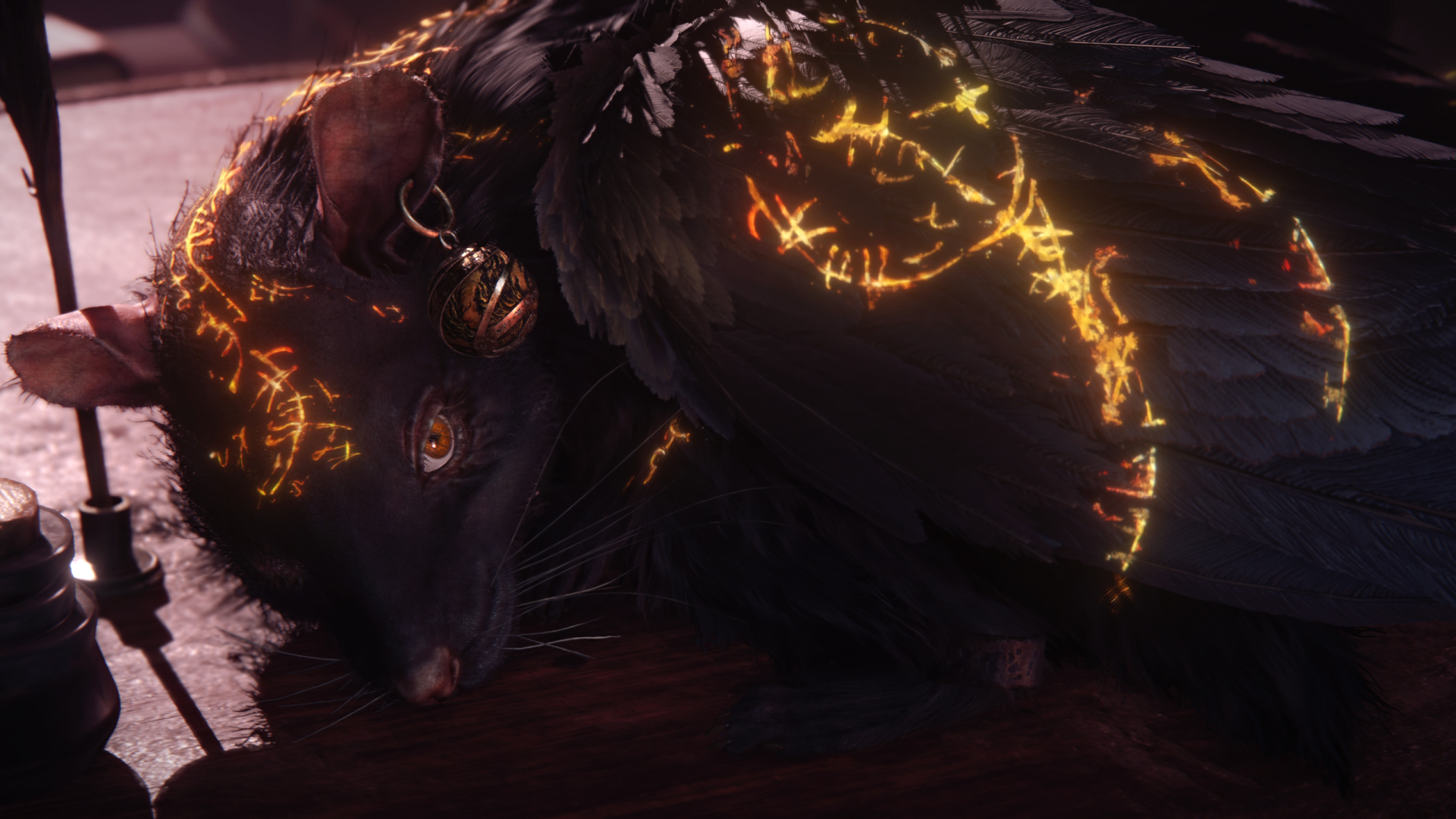
The Duskbloods offers two distinct ways to play cooperatively: Alliances during solo queues, and Duos Mode as a separate match format. FromSoftware’s preview hands-on sessions in Tokyo during August 2026 confirmed both systems in detail. Alliances are temporary bonds that two solo players can form mid-match, while Duos Mode puts four teams of two into a dedicated format with shared Virtue pools and weapon enhancements.
Both systems give solo players a way to participate without forcing them to coordinate with friends before queuing. Both reward trust, communication, and shared planning. Pair this page with Sigils for the Sigil of an Old Friend mechanic, Roles for the Destined Companion social system, and How to play PvPvE for the broader queue format.
How Alliances work in solo queues
An Alliance is a temporary bond between two solo players in a Dusk Battle. Either player can offer an Alliance; the other player can accept or decline. Once accepted, the two players cannot damage each other for the rest of the Dusk Battle.
Alliances come with several benefits:
- Shared rewards: Trespasser co-op kills grant Virtue to both players, scaled by contribution.
- Weapon enhancements: chest-found enhancements apply to both players.
- Pledge capture support: bonded players can coordinate around Ritual Sites, with one capturing and the other defending.
- Phase IV separation: Alliances dissolve at the start of the Moon Blood Bestowal. Bonded players become opponents in the finale.
The catch is that ending an Alliance prematurely carries a penalty. The player who breaks the bond surrenders a portion of their Virtue to their former partner. The exact penalty is not fully documented in the press build, so treat early breakups as risky.
When to form Alliances
The optimal Alliance timing depends on your match context:
- Early Alliances are strongest when both players are trailing in the rankings. Bonding early gives more time to share rewards and survives Phase I and II together.
- Mid-match Alliances are useful when one player is far ahead. They can offer an Alliance to a trailing player to share their lead without losing their position.
- Late Alliances (Phase III) are rare because they offer little time. Avoid offering in the final minutes of a phase unless you have strong synergy.
If you are queueing solo and your goal is reaching the finale, offering an Alliance early is the highest-percentage play. Press coverage emphasised that bonded players consistently outperformed solo players in the same matchups.
How Duos Mode differs
Duos Mode is a separate queue format with a different ranking system. The press preview confirmed the following details:
- Players queue in teams of two rather than solo. Four teams enter each Duos match.
- Two teams are eliminated each round, mirroring solo-queue culling thresholds.
- Shared Virtue pools: partners’ Virtue combines into a single team score.
- Shared weapon enhancements: chests grant enhancements that apply to both partners.
- Phase IV is a 2v2: the two top teams advance to the Moon Blood Bestowal in a two-versus-two with a shared pool of two lives instead of three individual lives.
Duos Mode rewards pre-queue coordination. Partners who communicate before the match make stronger Alliances and Virtue plays than two random solo players trying to coordinate through voice chat.
Why use Alliances in solo queues
Solo players gain several advantages from forming Alliances:
- Safer Trespasser runs: bonded players split Trespasser credit without exposing themselves to free-for-all gankers.
- Stable culling margin: bonded players share Commendation Virtue, which can lift a trailing player above the cull threshold.
- Easier Pledge control: one player captures while the other defends, doubling Pledge efficiency.
- Stronger Phase IV players: bonded players who survived to the Moon Blood Bestowal tend to have higher Virtue totals, giving them an edge in the duel arena.
Alliances do not extend into Phase IV. They dissolve at the start of the finale, but bonded players usually perform better in the finale because of the resource sharing that came before.
Why use Duos Mode
Duos Mode is for players who prefer pre-queue partnerships. It offers:
- Predictable partners: you queue with a friend, not a random solo.
- Stronger shared meta: pre-coordinated teams can plan their Sigils, Bloodsworn, and Kin selections in advance.
- Different rewards: FromSoftware has hinted that Duos Mode rewards may differ from solo queue; press coverage did not fully document this.
- Reduced RNG: shared pools mean that one partner’s bad luck does not strand the team.
If you have a friend who plays The Duskbloods, Duos Mode is the natural format.
How Sigils interact with Alliances
The Sigil of an Old Friend assigns each player a designated ally who can accept an Alliance for bonus Virtue. The difference between a Sigil-trigged Alliance and a free-form Alliance is that the Sigil completion pays out bonus Virtue on top of the standard Alliance rewards.
Players running Sigil of an Old Friend should treat the proposal as a high-priority move: the Sigil reward is large enough to push a struggling player above the cull threshold even if they spent Phase I in the bottom half of the leaderboard.
For Sigils other than Old Friend, Alliances are still useful but they do not grant the Sigil completion bonus. Form Alliances naturally as the match calls for them.
Map impact on Alliances
Map design affects Alliance strength. In tight corridors like Lowarno’s underground ruins, bonded players dominate because gankers have less room to flank. In wide-open regions like the rooftops, ranged Bloodsworn can shoot at bonded players from outside the engagement, weakening the advantage.
Players should choose where to engage their Alliance based on their team composition. Ranged bonds thrive in open regions; melee bonds thrive in corridors.
Frequently asked questions
Can I use an Alliance in Duos Mode?
In Duos Mode you already have a partner, so formal Alliances within the same team are unnecessary. FromSoftware has not confirmed whether cross-team Alliances are possible in Duos Mode, and the press build did not surface the feature.
Can I decline an Alliance offer?
Yes. There is no penalty for declining. Use decline when you are confident you can carry yourself, or when you suspect the proposal comes from a rival baiting for an attack.
Are there Alliance penalties for betrayals?
Yes. Ending an Alliance early forfeits a portion of Virtue to the partner you broke. Press coverage did not fully document the penalty amount, but the existence of any penalty discourages mid-match betrayal.
How many Alliances can I form in one match?
Only one at a time. Once an Alliance ends, you may form another with a different player during the same match, but Alliances are most valuable early in the match.
Related pages
- Sigils — Sigil of an Old Friend
- Roles — Destined Companion synergy
- How to play PvPvE — match-level cooperation
- Dusk Battle Phases — phase-by-phase cooperation
- Builds — bonded-player synergies