The Duskbloods Blood History and Fate
Shape who you are before you step into eight-player Dusk Battles for First Blood.
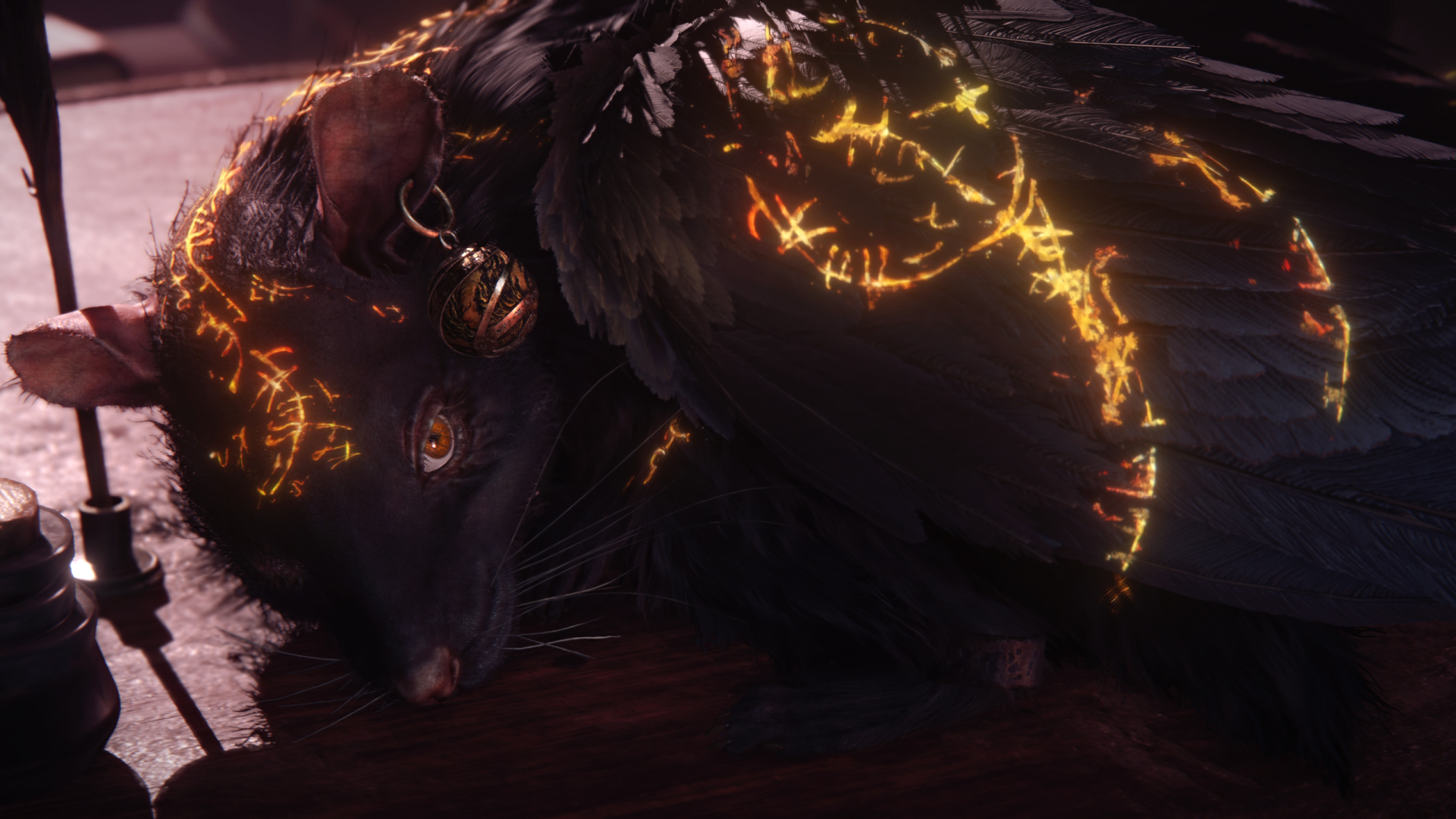
Blood history and fate are the twin pillars of Bloodsworn identity in The Duskbloods. Official hub descriptions position them as the system where you customise not only how your warrior looks, but which abilities, characteristics, and roles you bring into online matches of up to eight players. This is FromSoftware’s answer to a purely cosmetic character creator: your choices are meant to echo through PvPvE encounters during the Twilight of Humanity, influencing how others treat you as rival, companion, or opportunistic threat.
Blood history: where your power comes from
Blood history covers the lineage and ritual context of the blood that transformed you. Miyazaki’s interviews and reveal materials stress a romantic blood aesthetic—superhuman, vampire-adjacent warriors who are not classic horror monsters. History selections likely flavour your backstory text, visual motifs, and possibly mechanical tags that other systems read when assigning Roles.
Because Bloodsworn are summoned from different times and places, history may also hint at era-agnostic roots: a soldier from an industrial frontier, a noble from a gothic city, a wanderer who never belonged to one century. That fiction aligns with Maps that blend Victorian architecture and early-modern transport seen in trailer footage.
When documenting history options after the Closed Network Test, focus on readable gameplay hooks—does a history change resistances, summon behaviour, or interaction prompts?—rather than inventing percentage bonuses the press site never stated.
Fate: branching identity inside the hub
Fate customisation sits closer to run-to-run identity. Official hub flow describes choosing a Bloodsworn, adjusting fate, then entering multiplayer and returning for rewards win or lose. Fate likely stacks with history to determine your appearance, ability loadout, and characteristics—shorthand for passive traits or tags that affect matchmaking logic or role assignment.
Fate is also the natural home for Destined Rivals and Destined Companion hooks. If the game pairs you with a designated rival or ally, those pairings probably draw from fate seeds you set—or accept—before queueing. Players who want predictable duels should lean into rival-forward fate; players who prefer diplomacy should explore companion-oriented paths. Neither choice removes the need to understand First Blood and Victory Points.
Appearance without losing combat clarity
Reveal trailers show Bloodsworn with capes, regalia, and blood-smeared finery that still read clearly at combat distance. Customisation likely respects silhouette legibility because eight-player fights already strain visual noise. Expect limited palette ranges on capes or hair, not full armour-dye chaos.
Appearance may tie to hub presentation—how other players see you between matches—and to in-match cosmetics that do not obscure team-readable effects. If Nintendo’s Network Test build restricts some options, note unlock paths in Guides rather than assuming premium-only gating pre-launch.
Abilities and characteristics
Each base Bloodsworn already ships with unique weapons—including firearms—and personal techniques, plus an entity summon shared across the roster as a class-defining second button. Blood history and fate presumably modulate that kit: extra characteristics, swapped passive tags, or variant summon expressions rather than entirely new characters.
This is where Builds thinking starts. A fate path that emphasises mobility pairs well with rival hunts across rooftops; a path that buffs sustain suits companion meetups during prolonged dynamic events. Use Hub customisation to map hub choices to those strategies without fabricating tier numbers on the Tier List.
Hub loop: customise, deploy, return
The hub is not a menu bolted onto a shooter—it is the rhythm of the game. You enter, adjust history or fate, queue for online play, then return to collect progression whether you placed first or bottom. That loop rewards experimentation: losing while testing a new fate branch still teaches you how PvPvE threats interact with your modified kit.
Rewards may include currency for further customisation, unlocks for additional Bloodsworn, or materials tied to First Blood season structure—exact economies should be verified during the Network Test. Cross-check online requirements on Network Test before you plan multi-session fate grinding.
Social readability and fairness
Deep customisation can conflict with competitive clarity. Watch during CNT whether fate choices broadcast icons above your head—revealing companion intent—or stay hidden until players emote or proximity-chat. Either approach changes etiquette: hidden fates encourage paranoia; visible fates encourage targeted third-partying.
For input-heavy adjustments mid-fight, keep Controls handy. Fate abilities that alter summon timing will feel better once you know whether the game allows rebinding on Switch 2.
What to document when you finally play
When the Closed Network Test goes live, capture screenshots of every history and fate node you unlock. Note which choices lock roles, which alter appearance only, and which touch abilities. Feed confirmed findings into community Guides and revise Early build ideas so new players inherit facts, not speculation.
Until then, treat this page as a framework aligned with official hub language—special blood, customised warriors, social roles—not a datamined skill tree. Review articles after launch will stress which fate paths feel essential versus novelty.
Frequently Asked Questions
Quick answers drawn from official Network Test and Creator’s Voice details.
What is the difference between blood history and fate?
**Blood history** frames the origin of your special blood and likely feeds lore plus baseline tags. **Fate** shapes run-to-run identity—appearance, abilities, characteristics, and [roles](/bloodsworn/roles/)—before you queue into online matches.
Can blood history change my Bloodsworn's abilities?
Official materials list **abilities** among customisable traits alongside appearance and characteristics. Exact splits between history and fate are not fully public—verify in the hub during the Network Test.
Do customisation choices affect matchmaking?
FromSoftware has not published matchmaking rules. Fate and role systems imply some pairing logic for rivals and companions, but treat details as unconfirmed until observed in CNT.
Is customisation only cosmetic?
No. Hub descriptions tie customisation to **abilities**, **characteristics**, and **roles**, not visuals alone. See [Builds hub](/builds/) for how those choices interact with combat prep.
Will I keep rewards if I lose a match?
Official hub flow states you return for rewards **win or lose**, encouraging experimentation with new history and fate paths without all-or-nothing pressure.